Buying a home in Princeton can feel exciting and a little tricky at the same time. You might be drawn to the small-town setting, practical commute routes, or mix of in-town and more rural properties, but you also need to know what the market is really like before you jump in. This guide will help you understand pricing, property types, and the local details that matter most so you can start your search with more confidence. Let’s dive in.
Princeton market basics
Princeton is a small city in Mille Lacs County with about 5,274 residents and roughly 2,039 households. It covers about 4.9 square miles and has a median age of 39.4, which gives it a steady, established feel. About 62% of occupied homes are owner-occupied, and single-unit housing makes up the largest share of the housing stock.
That matters because when you shop in Princeton, you are mostly looking at a market built around homeownership rather than a dense apartment-heavy setup. The housing base leans strongly toward detached homes, but there are still attached and multifamily options in the mix. For many buyers, that creates a wider range of choices than you might expect in a smaller city.
Home prices need current context
One of the biggest things to understand before you start is that not all home value numbers tell the same story. The ACS profile puts the median owner-occupied home value at $218,700, but recent resale market data shows a much more competitive picture. Redfin reported a median sale price of $302,819 in May 2026, which was up 21.1% year over year.
In plain terms, you should not build your budget around older survey-based value estimates alone. Recent comparable sales are a better guide for what sellers may expect in the current market. If you are serious about buying in Princeton, it helps to look at active listings, recent sales, and how quickly homes are moving.
Expect a competitive pace
Princeton is not a market where every home sits for months waiting for an offer. Recent data showed homes averaging 36 days on market, and many homes were receiving multiple offers. Zillow also reported 50 homes for sale and 20 new listings as of May 31, 2026, which suggests inventory exists but may not feel abundant if you have a narrow wish list.
That does not mean you need to rush blindly. It does mean you should be prepared before the right home appears. Getting preapproved early and knowing your comfort zone on price, repairs, and location can help you act faster without feeling chaotic.
Housing options in Princeton
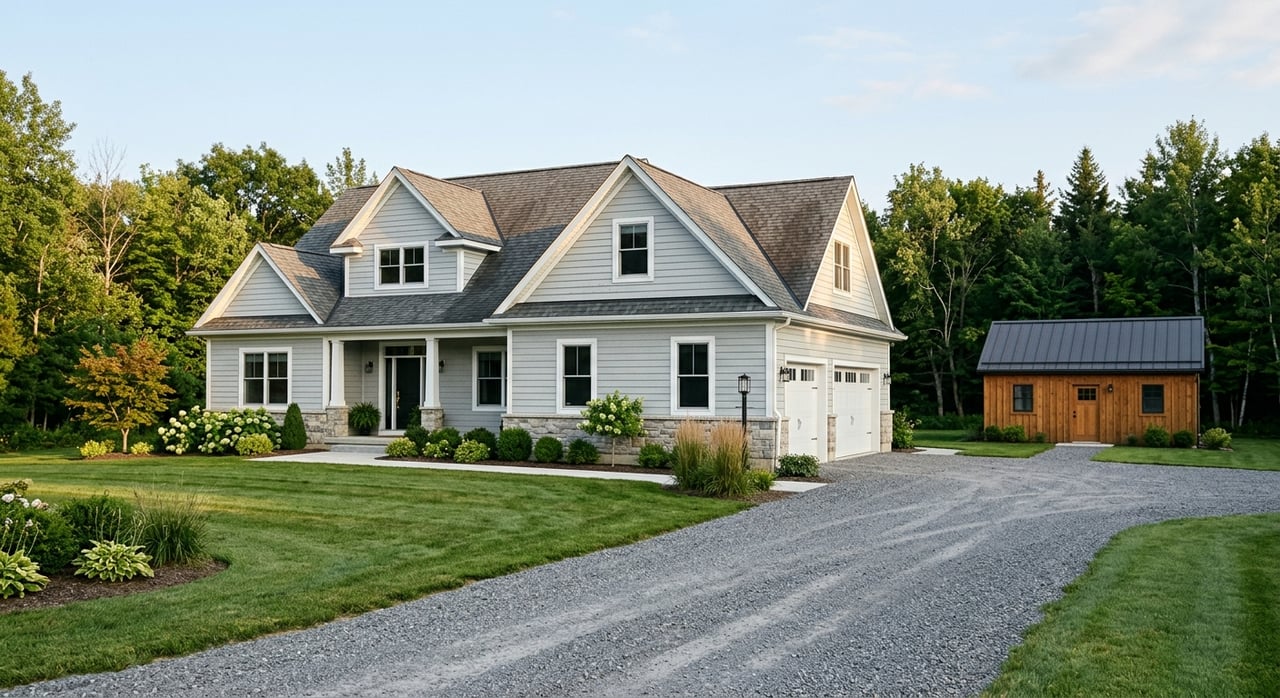
Princeton offers more than one type of homebuying experience. The city’s comprehensive plan described a housing mix that included single-family detached homes, townhomes, duplex to fourplex properties, multifamily housing, and mobile or other housing types. Detached homes remain the largest category, but there is still variety for buyers with different needs and budgets.
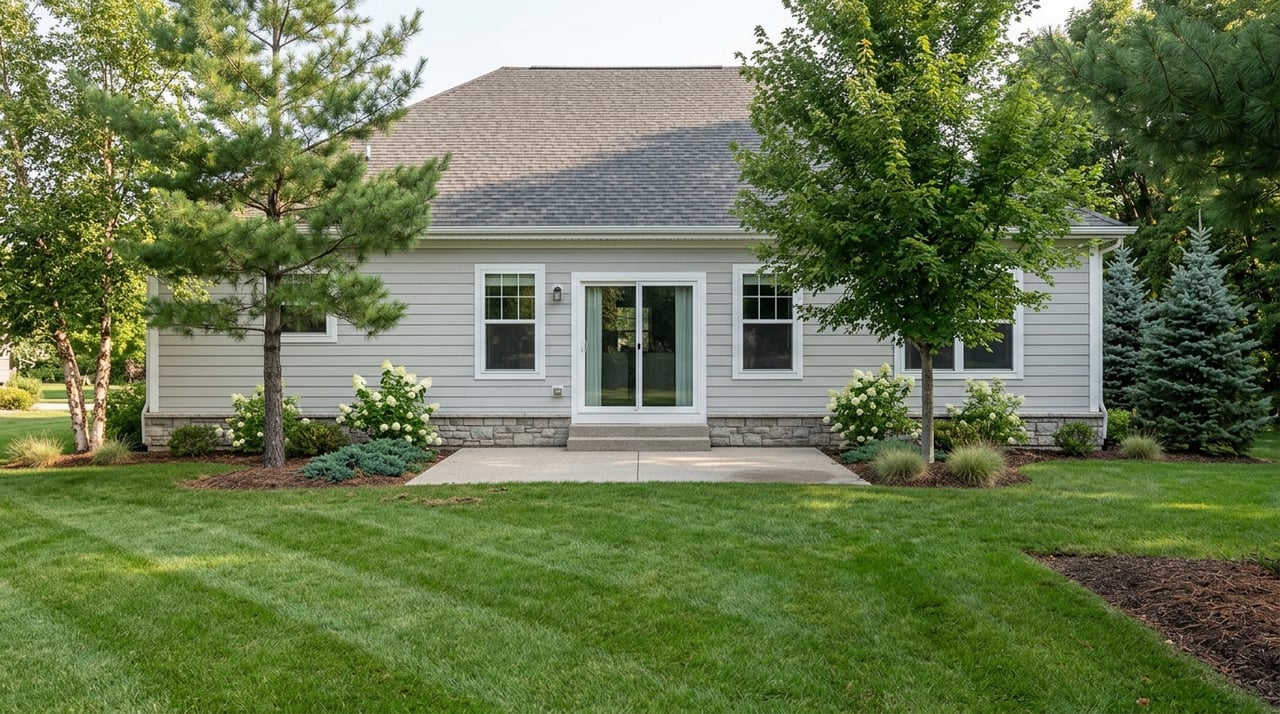
You may find a standard in-town house, a townhome with simpler upkeep, or a property with more land outside the core area. That variety is useful if you want flexibility in your search. It also means your due diligence should match the property type, because a city lot and a rural-style parcel can come with very different questions.
Older homes and newer homes
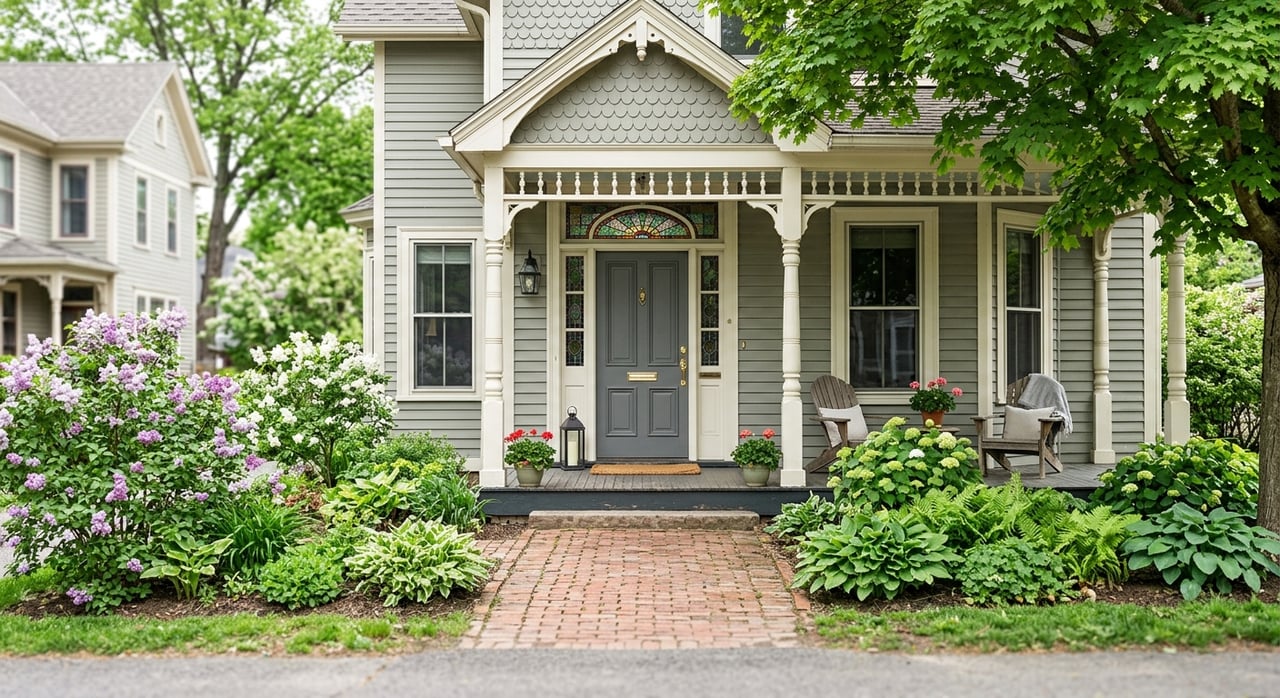
Princeton has a mixed-age housing stock, which can be a real benefit if you want character or a more established setting. Nearly 19% of homes were built before 1940, while more than 35% were built after 1990. So your search may include everything from older homes with original charm to newer homes with more modern layouts.
If you are considering an older home, inspection and repair budgeting deserve extra attention. Older properties can come with maintenance items that are less common in newer subdivisions. That does not make them a bad choice, but it does mean you should look closely at condition, likely updates, and your long-term comfort with ongoing upkeep.
Lot sizes can vary a lot
This is one of the most important Princeton-specific points for buyers. Some homes are on more typical in-town lots, and city planning scenarios reference lot sizes around 11,600 square feet in lower-density settings. But outside city sewer zones, the rules can shift in a major way.
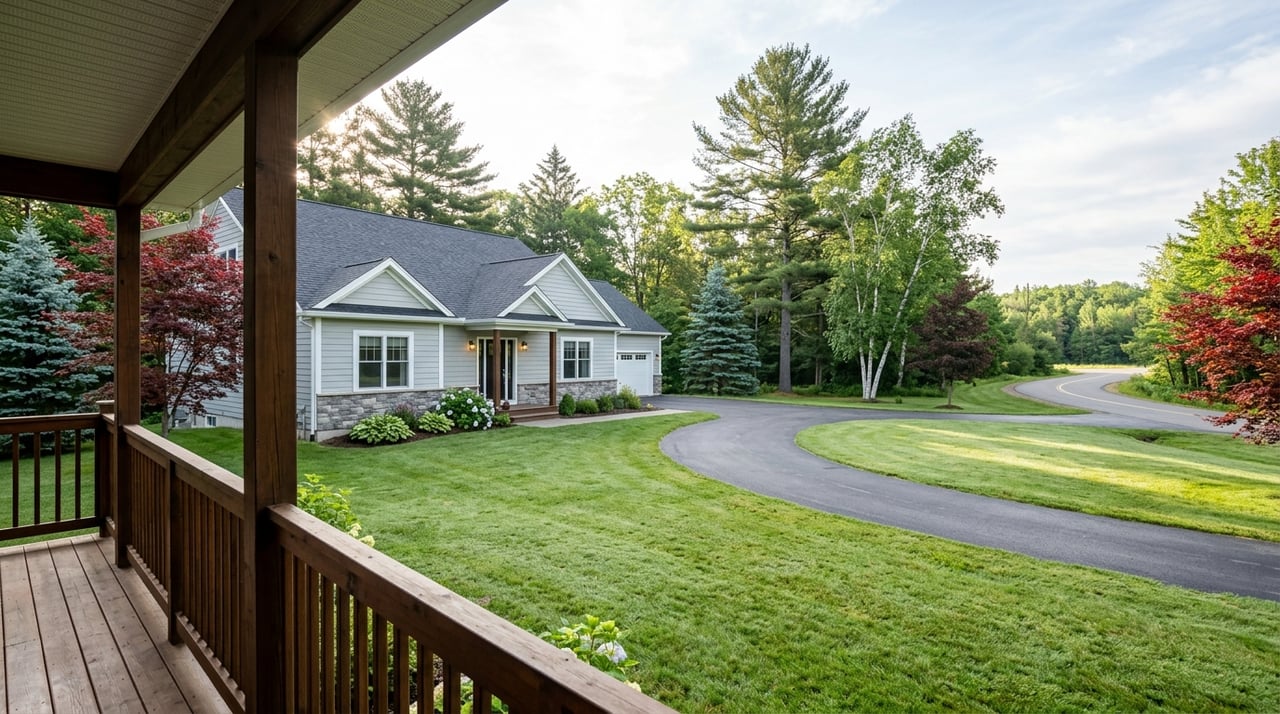
Properties developed outside sewer service areas must meet a minimum lot size of 2.5 acres and have an approved septic system. So if you are dreaming about a little more land, you need to verify exactly how the property is served and what that means for use, expansion, and maintenance. A rural-feeling Princeton property can be very different from an in-town home, even if both share a Princeton address.
Check sewer, septic, and utilities early
If you are looking at acreage or edge-of-town properties, do not wait until late in the process to ask basic infrastructure questions. Confirm whether the property is connected to city sewer or relies on septic. You should also ask about utility access and any limitations that could affect your plans for additions, outbuildings, or other improvements.
This step can save you time, money, and stress. It is especially important if you are drawn to country-style living and want space beyond a standard city lot. Practical details often shape whether a property truly fits your goals.
Commute matters in daily life
Princeton works well for many buyers because it sits along important regional routes. U.S. Highway 169 and Minnesota Highway 95 run through Princeton, and those roads play a major role in local travel. The average commute time is 25.8 minutes, which can make Princeton appealing if you want a small-city setting with workable access to surrounding areas.
This is still a car-oriented place for most people. Bus service is available through Tri-CAP, including weekday and Saturday service and a route from Milaca to Elk River, but transit is limited and route-based. When comparing Princeton to other north-metro or nearby communities, it helps to think about your real weekly routine and how highway access will affect it.
Amenities to know about
Princeton offers a practical set of local amenities that many buyers want close to home. The city lists local public school facilities, Fairview Northland Regional Hospital and Clinic, and the Princeton Area Library. It also highlights parks such as Pioneer Park, Riebe Park, Riverside Park, Civic Center Park, and Mark Park, along with trails and community facilities.
You will also find a historic downtown area, a farmers market, and a growing industrial park. That gives Princeton a blend of residential living and local services that can be appealing if you want everyday convenience without a bigger-city pace. As always, it is smart to verify the specific services, locations, and features that matter most to your household.
What to do before making an offer
A little prep can make a big difference in a market like this. Before you write an offer in Princeton, focus on the basics that help you move quickly and make better decisions.
- Get preapproved before you actively shop.
- Review recent comparable sales, not just broad value estimates.
- Decide how much repair work you are comfortable taking on.
- Ask whether the property is on city sewer or septic.
- Verify lot size, zoning, and permit questions with City Hall.
- Remember that codified ordinance documents may not include the newest amendments.
These steps are especially helpful if you are balancing speed with caution. The goal is not to overcomplicate the process. It is to help you avoid surprises while staying ready for the right opportunity.
How to shop smarter in Princeton
The smartest buyers usually start with clarity, not just excitement. Think about whether you want an in-town location, lower-maintenance living, or a property with more land. Then match that vision to a realistic budget based on today’s market, not yesterday’s assumptions.
It also helps to stay flexible on the things that matter less. You may need to choose between a newer home with fewer projects and an older home with more character. If you know your must-haves before you tour homes, you can make stronger decisions when inventory feels tight.
Why local guidance matters
Princeton is the kind of market where details can change from one property to the next. A home on a standard city lot may be a very different transaction from a property outside sewer service with acreage and septic questions. Having someone who understands both the fast-moving side of the market and the practical side of property due diligence can make the process feel a lot more manageable.
That is especially true if you are buying on a timeline or trying to balance value, condition, and location. You want clear advice, quick communication, and help spotting issues before they become expensive mistakes. In a market like Princeton, that kind of support matters.
If you are thinking about buying in Princeton, working with someone who knows north-metro and nearby Minnesota markets can help you move with more confidence. Amy Behning offers practical, client-first guidance for buyers who want honest advice, fast communication, and support that feels personal from start to finish.
FAQs
What is the Princeton, MN housing market like for homebuyers?
- Princeton appears to be a competitive market, with a reported median sale price of $302,819 in May 2026, average days on market around 36, and many homes receiving multiple offers.
What types of homes can you buy in Princeton, MN?
- Buyers in Princeton can find mostly detached homes, along with some townhomes, multifamily options, and other housing types depending on location and availability.
What should you know about acreage properties in Princeton, MN?
- If a property is outside city sewer service, you should verify the 2.5-acre minimum lot size, septic requirements, and utility access before making plans.
Are there older homes in Princeton, MN?
- Yes. Nearly 19% of Princeton homes were built before 1940, so inspections and repair budgeting are especially important when considering older properties.
Is Princeton, MN a good option for commuters?
- Princeton is a practical choice for many commuters because of access to U.S. Highway 169 and Minnesota Highway 95, with a reported mean commute time of 25.8 minutes.
What should homebuyers verify before making an offer in Princeton, MN?
- Homebuyers should confirm preapproval, recent comparable sales, lot size, sewer or septic setup, utility access, zoning questions, and whether any city ordinance updates affect the property.