Are you getting ready to sell a home in Nowthen with land, outbuildings, and private systems? If so, you already know this is not the same as prepping a standard suburban listing. Buyers here are looking at the house, of course, but they are also sizing up the driveway, the land, the barn, the fence lines, and how well the well and septic details are documented. This guide will help you focus on the updates that matter most so your property shows well and avoids preventable surprises. Let’s dive in.
Start With the Whole Property
In Nowthen, your acreage home is more than the structure itself. The city describes the area as large-lot residential and hobby-farm territory, and many properties rely on private wells and septic systems. That means buyers are evaluating how the full property functions, not just how the kitchen looks in photos.
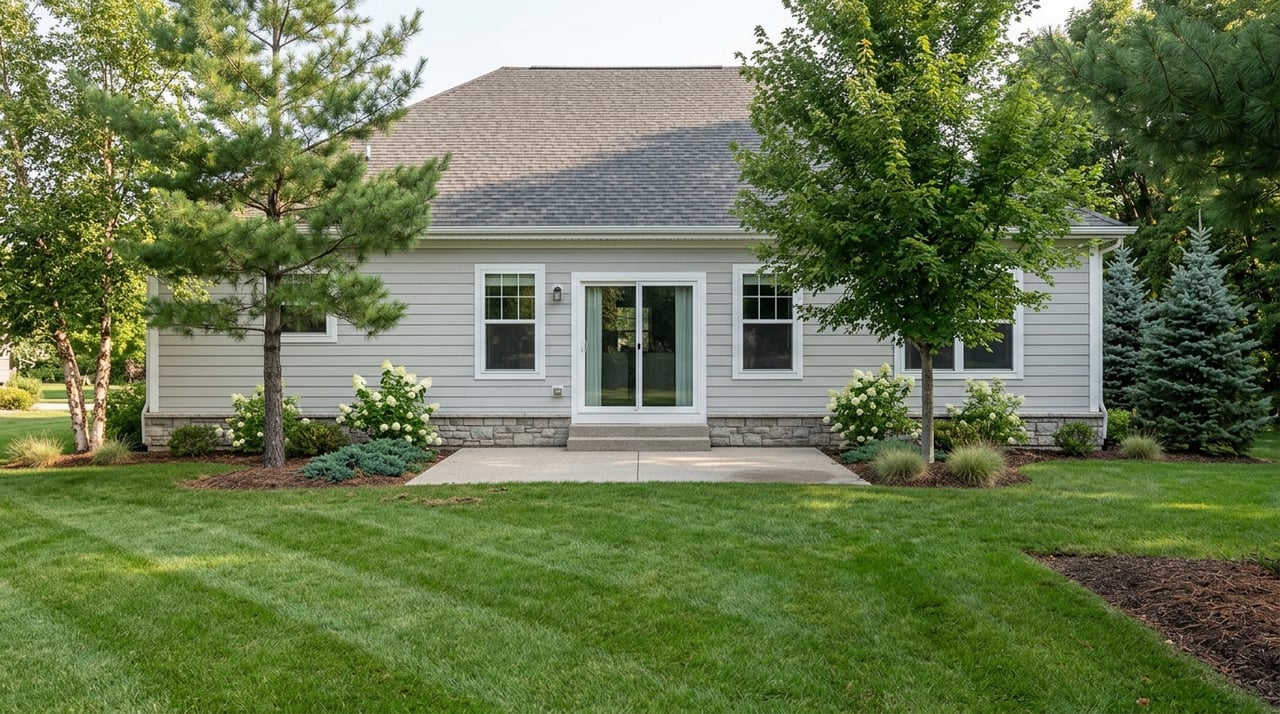
Before you make a long to-do list, step outside and walk the property like a buyer would. Look at the approach, the visible land around the home, any outbuildings, and the overall sense of care. If the property feels organized, usable, and maintained, that first impression can carry through the entire showing.
Clean Up Driveway and Access
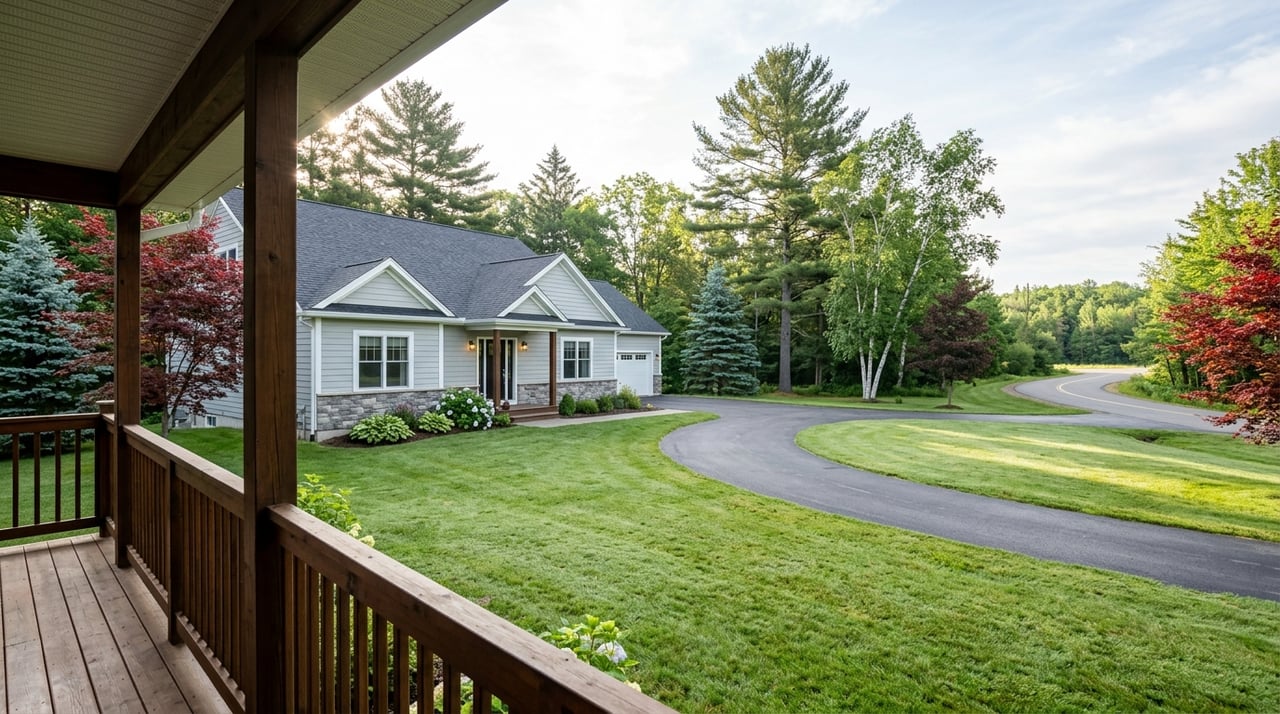
Acreage homes often make their first statement at the road. In a place like Nowthen, where the city maintains both paved and gravel roads, the condition of the entrance and driveway can shape how buyers feel before they ever step inside.
If your driveway edges are overgrown, your turnaround area is cluttered, or the approach feels rough, put that high on the list. A clean, easy-to-navigate entrance helps the property feel cared for and functional.
Check Before Changing Access
If you are thinking about adding or changing driveway access before listing, slow down before treating it like a quick improvement project. Nowthen has a separate driveway permit process, so access changes should be handled as a permit and survey issue when needed.
That matters because buyers notice clean access, but they also value confidence that property features were handled correctly. If there is any question about what is allowed, it is better to confirm first than create a problem right before you go live.
Make the Acreage Look Usable
With acreage, buyers do not just want land. They want to understand how they can use it. That is why mowing, brush cleanup, fence-line tidying, and removing outdoor clutter can have a big impact on how your property is perceived.
Visible areas around the house should be trimmed and maintained well before photos are scheduled. Waiting until the last minute usually leads to rushed cleanup and missed details.
Clear Brush the Right Way
If you have brush piles, deadfall, or neglected corners of the lot, handle them early. Nowthen notes that larger brush piles may require an open burning permit, and permits become void if DNR burning restrictions are active.
In plain terms, do not assume you can burn your way through cleanup right before listing. A better plan is to start early, remove what you can, and make sure the property looks intentionally maintained by photo day.
Showcase Outbuildings the Smart Way
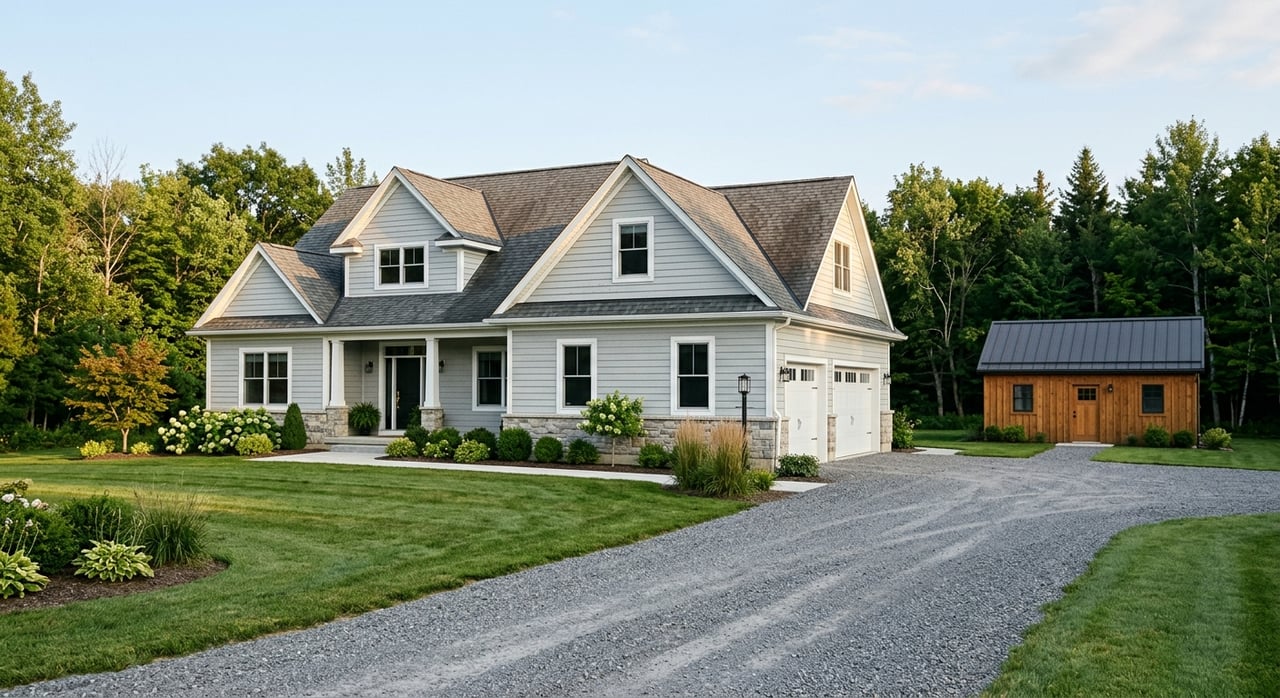
Barns, pole sheds, detached garages, and lean-tos can be major selling points in Nowthen. For many acreage buyers, these spaces are part of the reason they are shopping here in the first place.
That said, features only add value when they are presented clearly and backed up by good records when possible. A cluttered shed full of leftover materials is harder to appreciate than a clean structure that looks useful and compliant.
Know the Accessory Structure Limits
Nowthen’s code sets accessory structure limits based on acreage. Lots from 2.5 to less than 5 acres are limited to 2 structures and 3,200 square feet total. Lots from 5 to less than 10 acres are limited to 3 structures and 6,400 square feet total. Lots of 10 acres or more have no limit on the number or maximum square footage of accessory structures.
This is one reason it helps to gather building records before listing. If buyers ask about a barn, shed, or detached garage, you want to be ready with clear information instead of guesses.
Tidy Fences and Boundaries
Fence lines can either help define the property or raise questions. If fencing is leaning, broken, hidden in brush, or sitting where it should not, it can distract from the rest of the acreage.
Nowthen’s FAQ says fences under 7 feet generally do not need a permit, but they still need to stay out of the city right-of-way and at least 33 feet from the road centerline. If you are repairing or highlighting a fence line before listing, keep those placement rules in mind.
Get Well Records Ready Early
Private well details are not something to leave until the last week before closing. Minnesota requires sellers to disclose the location and status of all known wells before signing a purchase agreement, and a Well Disclosure Certificate must be completed at closing.
That disclosure applies to more than just drinking water wells. It can include irrigation, livestock, heating and cooling, and monitoring wells too. If your property has more than one well, make sure you know what exists and how each one is categorized.
Consider Water Testing Before Buyers Ask
Minnesota does not require private well water testing at transfer, but the Minnesota Department of Health recommends regular testing. For private wells used for drinking water, the guidance says to test annually for coliform bacteria and nitrate, with arsenic and lead tested at least once.
From a seller’s standpoint, early testing can be useful because it helps uncover issues before a buyer or lender raises the question. If results are solid, that can also help you present the property with more confidence.
Prioritize Septic Compliance
In Nowthen, septic documentation is a big deal during a sale. The city states that property owners maintain their own septic systems and that a septic compliance inspection is required any time ownership changes.
That means septic prep is not optional. It should be part of your listing timeline from the start, especially if it has been a while since the system was last inspected or maintained.
Gather Septic Documents Now
Minnesota law requires sellers to disclose how sewage is managed and to map any abandoned subsurface sewage treatment system they know about. The Minnesota Pollution Control Agency also says septic systems should be inspected and maintained about every 3 years.
If you already have prior compliance inspections, service records, or a site map, pull those together now. If you do not, Nowthen’s building department keeps archived building permit and septic system records, and Anoka County notes that municipal septic records are not kept at the county level.
Do Not Forget Radon Disclosure
Radon can be easy to overlook when you are focused on acreage prep, but it still matters. Minnesota requires sellers of residential real estate to disclose any knowledge they have of radon concentrations in the dwelling before signing a purchase agreement and to provide the Minnesota Department of Health radon information form.
MDH also says sellers should consider testing well before listing. If you test early and have documented results or mitigation information, it can be much easier to address questions before they slow down a deal.
Build a Simple Property File
One of the best ways to reduce stress during an acreage sale is to create a single property file before your home hits the market. This does not need to be fancy. It just needs to be complete enough to answer the most common buyer questions.
A strong Nowthen prep file should include:
- Prior septic compliance inspections
- Well disclosure paperwork
- Building permits for additions and outbuildings
- Survey or plot maps showing access and setbacks
- Any available records for fences, driveway work, or site improvements
If paperwork is missing, start tracking it down early. That gives you more time to request archived records or bring in the right professional if something needs clarification.
Prep the Interior for Acreage Buyers
Acreage buyers are still buying a home, not just land. So once the exterior and records are underway, shift your attention inside and make the house feel clean, bright, and move-in ready.
Staging research for 2025 found that agents most often recommend decluttering, cleaning the entire home, improving curb appeal, and handling outdoor landscape areas before listing. That advice fits Nowthen well because buyers are trying to picture both the home and the land working for their daily life.
Focus on Functional Spaces
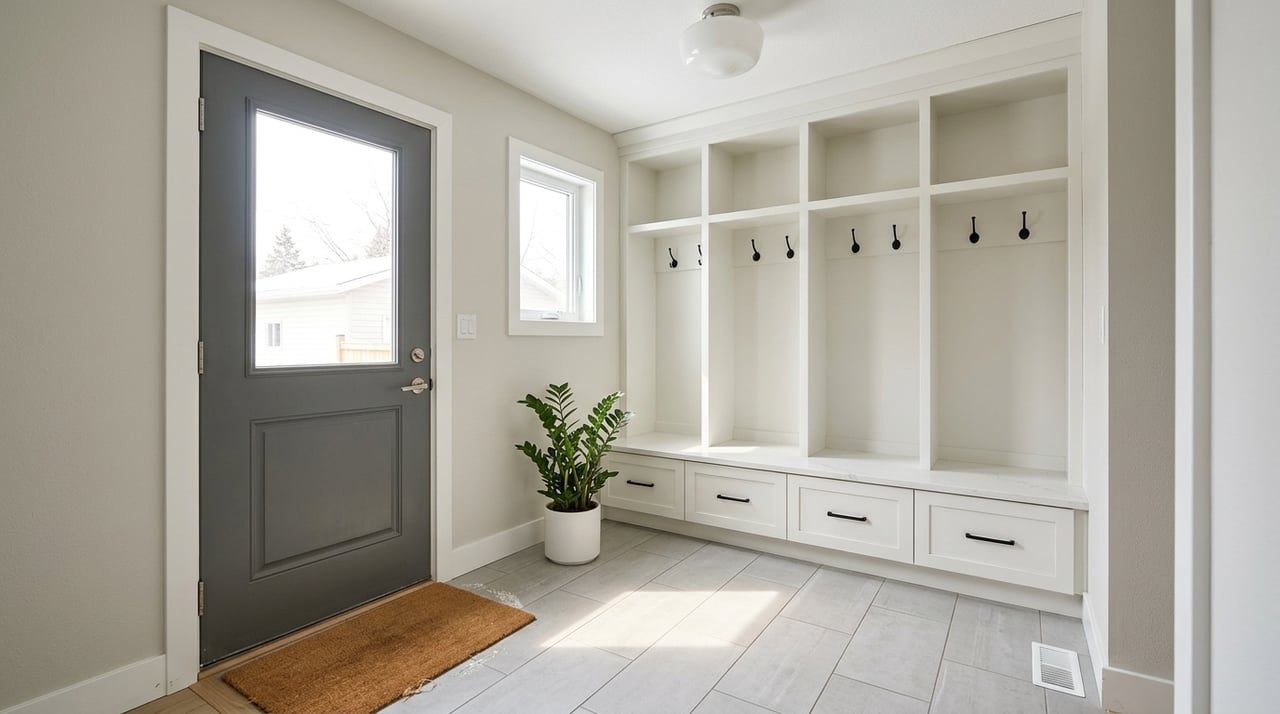
For acreage homes, practical spaces matter. Mudrooms, laundry rooms, entry areas, and mechanical spaces should feel organized and easy to understand.
These areas often do more work in country properties, so buyers notice when they are clean and functional. A tidy utility room or well-kept mudroom can quietly reinforce that the home has been cared for.
Time Photos After the Cleanup
Photos, video, and tours are a major part of how buyers experience a listing. Research also shows these tools matter to buyers’ agents, which makes timing important.
Try to schedule media only after mowing, brush cleanup, decluttering, and outbuilding organization are done. On an acreage listing, exterior mess is much harder to hide, and buyers will notice if the land looks unfinished in the marketing.
Know When to Call a Pro
Some listing prep tasks are easy to handle on your own. Others are better left to the right professional. In Nowthen, that is especially true when the issue involves compliance, records, systems, or property layout.
If you are missing septic documents, unsure about a well issue, or questioning a boundary or access point, a septic inspector, well contractor, or surveyor may be the right first call. When the question is legal placement, permitting, or archived records, the city building department is also an important resource.
The Best Prep Plan Is Practical
You do not need to over-improve an acreage home to make it market-ready. In most cases, the smartest approach is to focus on visible maintenance, clean presentation, and solid documentation.
That means mowing and brush cleanup, organizing outbuildings, checking driveway access, gathering well and septic records, and making the house feel clean and easy to picture as home. In a market like Nowthen, practical prep goes a long way.
If you want help building a smart plan for your Nowthen acreage sale, connect with Amy Behning for practical, hands-on guidance and a free home valuation.
FAQs
What should you do first to prepare a Nowthen acreage home for sale?
- Start by walking the full property like a buyer would, then prioritize exterior cleanup, driveway approach, visible land maintenance, and records for wells, septic, and outbuildings.
Does a Nowthen home sale require a septic inspection?
- Yes. Nowthen requires a septic compliance inspection any time ownership changes.
What well information do Minnesota sellers need to disclose at a property sale?
- Sellers must disclose the location and status of all known wells before signing a purchase agreement, and a Well Disclosure Certificate must be completed at closing.
Should you test private well water before listing a Nowthen acreage home?
- Minnesota does not require testing at transfer, but the Minnesota Department of Health recommends regular testing, and early testing can help surface issues before buyers or lenders ask.
What records help sell an acreage property in Nowthen?
- Useful records include septic compliance inspections, well disclosure paperwork, permits for additions or outbuildings, and survey or plot maps showing access and setbacks.
Do outbuildings matter when selling a Nowthen acreage home?
- Yes. Barns, pole sheds, detached garages, and similar structures can be important selling features, especially when they are clean, clearly usable, and supported by records when available.
Can you burn brush while getting a Nowthen property ready to sell?
- Larger brush piles may require an open burning permit, and permits become void if DNR burning restrictions are active, so check local rules before making that part of your cleanup plan.